Digital ownership and creator participation
A planning note about digital ownership. No market is being launched.

EraX Digital
April 27, 2026
·
4
read


Every scroll, search, and swipe feed a system that turns attention into revenue. It built some of the world’s most valuable companies. For years, the bargain seemed acceptable: free access in exchange for ads and data. But the cracks are clear. Creators struggle to earn a consistent income, users are increasingly uneasy about data use, and platforms increasingly reward noise over substance.
The internet did not arrive at this model because it was ideal; it arrived there because it scaled. Advertising was frictionless, and frictionless wins. Well, now, for the first time in decades, that assumption is being challenged. Global digital ad spend has exceeded $600 billion in 2025, yet creators and users capture only a fraction of the value they generate (Yahoo Finance, 2025). The gap between value creation and value ownership has become too visible to ignore. Blockchain introduces a different premise entirely. What if value could move as easily as information? What if users could pay a few cents, instantly and invisibly, for what they use, and earn from what they contribute?
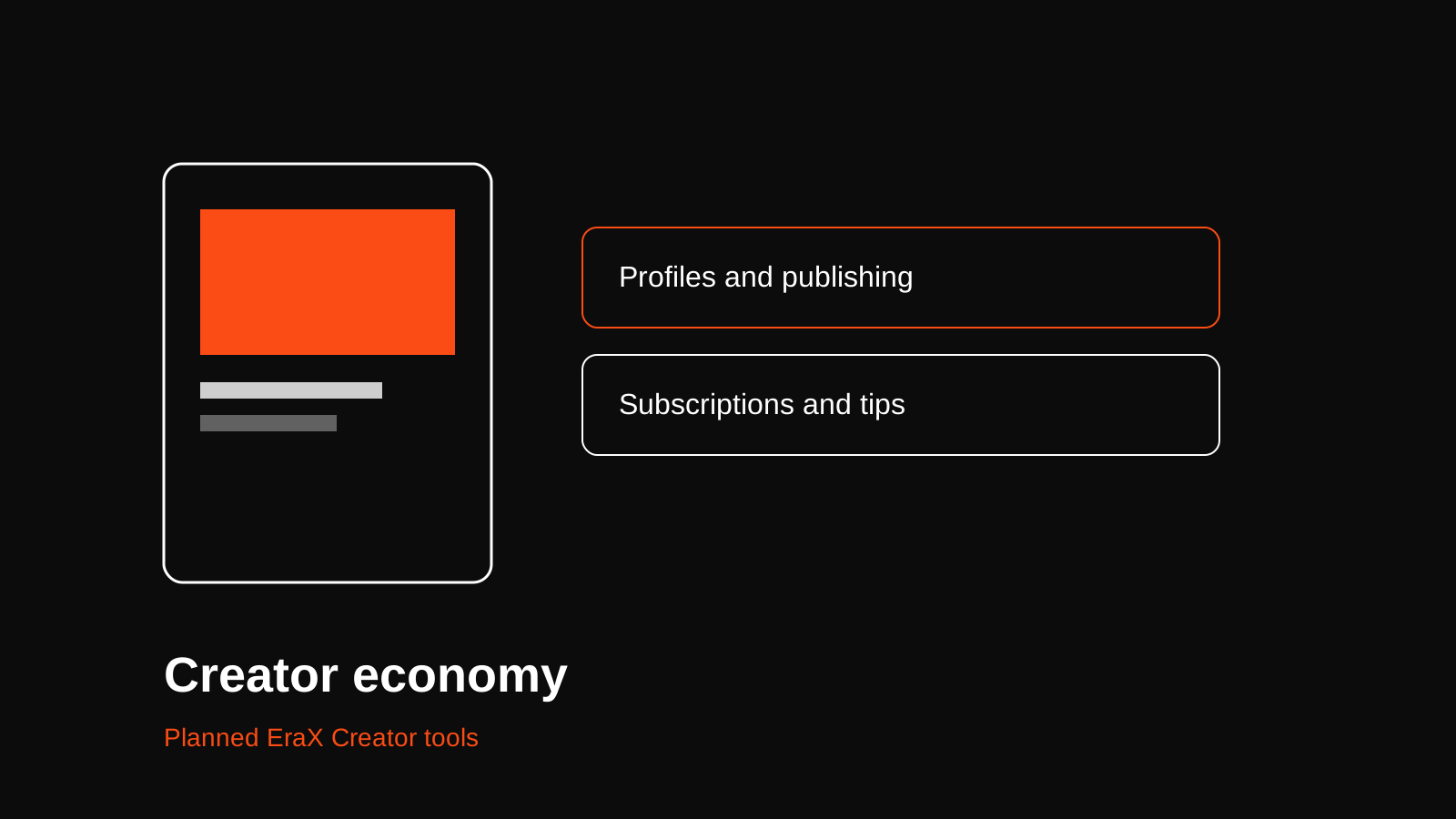
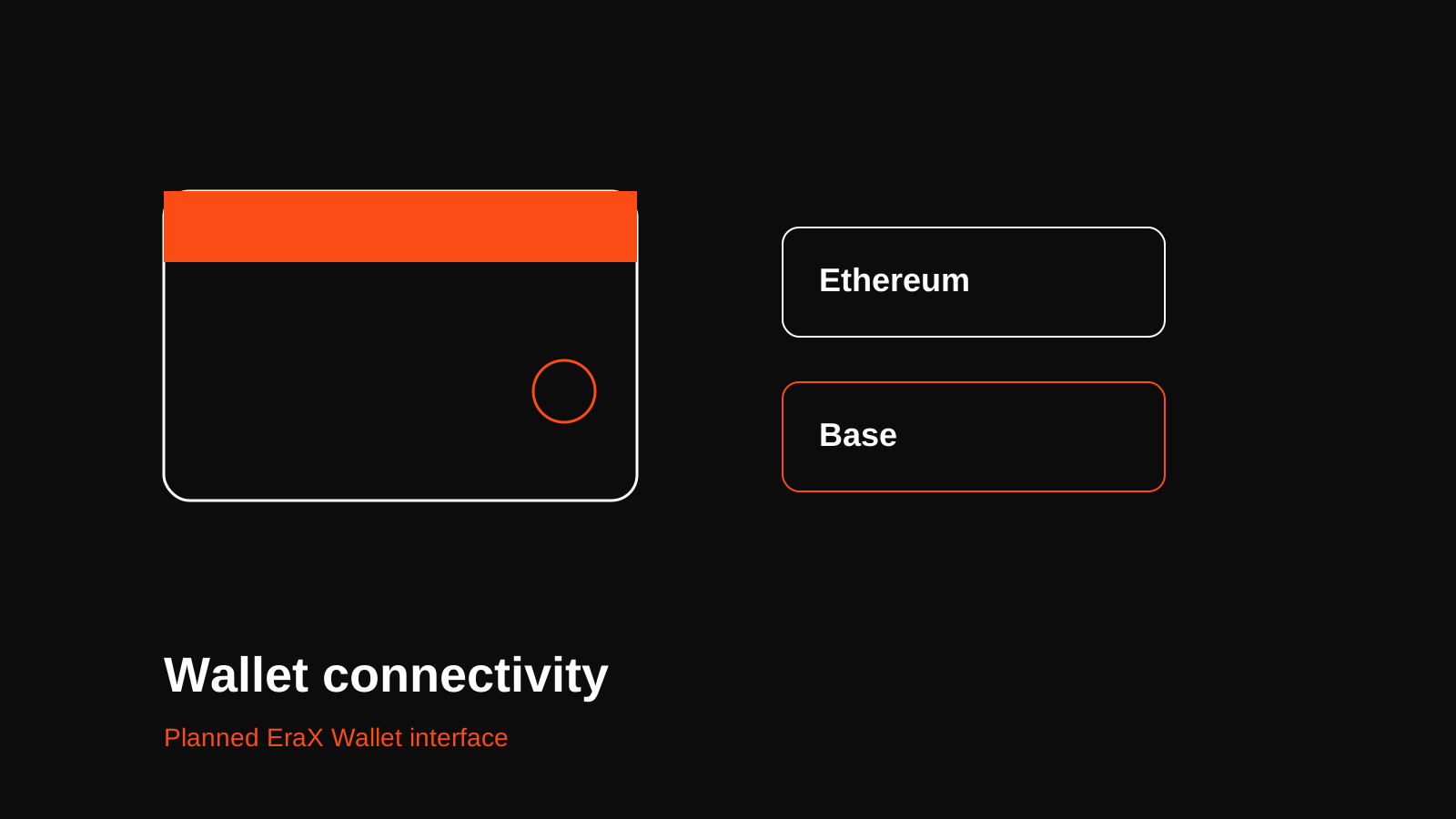
A clearer version of this emerging model can be seen in EraX Social, a planned SocialFi platform for user profiles, social feeds, content publishing, communities, messaging, and wallet connectivity. Its core premise is both simple and ambitious: online communities should do more than generate attention for platforms. They should be able to participate in the value they help create.
This describes a planned EraX Digital capability and is not currently available.Planned EraX Digital work. This is not a live product and not an offer.
For decades, technologists imagined a web where users could pay a few cents for an article, a feature, a tip, or a useful interaction. The idea was quite elegant; however, the infrastructure was not. Traditional payment rails were too slow, too expensive, and too awkward for tiny transactions, all while processing fees ate into the economics, and clumsy checkout flows killed the experience.
So, the internet settled on a different bargain. Instead of direct payment, it embraced advertising, data monetization, and later subscriptions. That model built giant platforms, but it also shaped incentives in a very specific way. Platforms optimized for attention because attention was what could be monetized at scale.
Blockchain-based systems can make value transfer faster, cheaper, and more native to the product experience. That does not automatically guarantee adoption, but it does remove one of the original reasons micropayments never worked.
Goldman Sachs estimates the creator economy could grow from about $250 billion to $480 billion by 2027 (This describes a planned EraX Digital capability and is not currently available.This describes a planned EraX Digital capability and is not currently available.the internet connected people. The next phase of the internet and finance will allow people to own the value they createPlanned EraX Digital work. This is not a live product and not an offer.
Planned EraX Digital work. This is not a live product and not an offer.
Through integrated wallets, payments, and tokenization tools, EraX SocialPlanned EraX Digital work. This is not a live product and not an offer.
The ad-driven internet is built on passive value creation: users scroll, react, post, and watch. Platforms monetize the resulting data and engagement. Crypto introduces the possibility of a more participatory model, where economic value can attach directly to contribution, community, and reputation.
EraX Social leans hard into that logic. The company describes this shift as a move from attention-based social media toward people-owned economic networks, where individuals become economic centers in their own right. It is an ambitious thesis, but it aligns with a real market shift: creators increasingly want ownership of identity, audiences, and monetization, rather than rented access to them.
That is also where EraX Social tries to differentiate itself from other players in the space. Lens Protocol, for example, has focused heavily on decentralized social graphs, giving users ownership over identity and content portability. Farcaster has built a decentralized social network with strong traction among crypto native users and developers. EraX Social is planned to bring wallet connectivity and creator monetization closer to the social experience. Those capabilities are not available yet.
This describes a planned EraX Digital capability and is not currently available.
This describes a planned EraX Digital capability and is not currently available.
Any platform that wants to move beyond a crypto-native niche has to prove it can handle onboarding, verification, reporting, and user protection without breaking the experience.
Even with better infrastructure, change will be slow. People still expect the internet to feel free, and creators still rarely own the full value they generate. EraX Social argues that this is starting to shift as users seek more control over their identity, communities, and economics online.
Advertising and subscriptions are not going away. What may change is the layer beneath them, allowing value to move more directly between users, creators, and platforms, which is the model that platforms like EraX Social are trying to build.